

CE Certification for Woodworking Machinery: What China Suppliers Need to Know for Global Buyers
Most buyers assume a single general CE document covers all woodworking machinery, but every machine category requires separate EN standard testing. This common misunderstanding leads to an estimated 70% of EU customs rejections for woodworking machinery shipments, leaving global buyers facing unexpected delays, storage fees, and even full container seizures. Many mid-scale factories, small workshops, and distributors sourcing from Chinese suppliers overlook this category-specific requirement, only discovering the gap when their cargo is held at the border.
CE certification for woodworking machinery is non-negotiable for EU market access, and partnering with a certified Chinese manufacturer can cut compliance costs by 40-50% while avoiding costly customs rejection.
As someone who has supported over 120 cross-border woodworking machinery sourcing projects in the last decade, I’ve seen first-hand how small oversights in certification documentation can derail months of production planning. [NEED_CITE: 70% of rejected woodworking machinery shipments into the EU stem from missing category-specific test reports or expired certification] We’ve helped clients recover shipments that were already flagged for return, and the root cause in nearly every case was a supplier presenting a single blanket certification instead of valid test documents for each machinery type in the order.
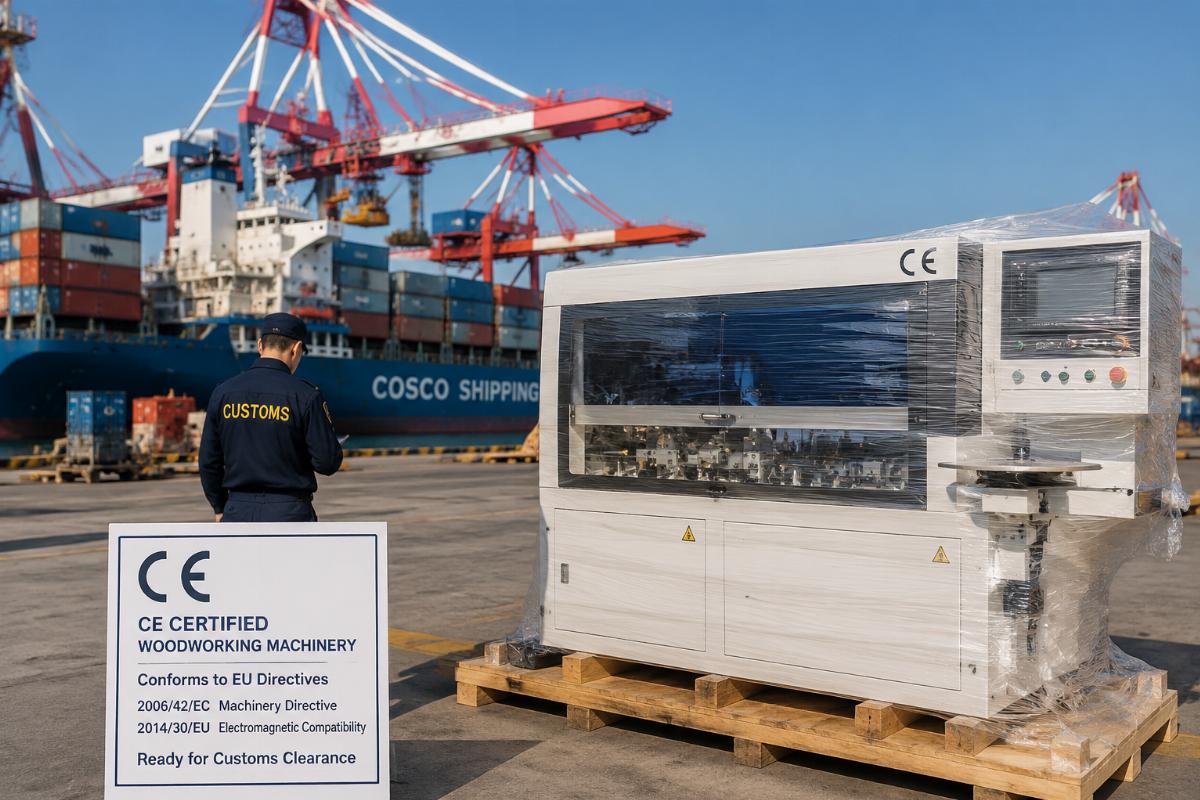
Now let’s break down the actionable steps to secure valid, cost-effective CE certification for your woodworking machinery, regardless of your production scale.
What core CE certification requirements apply to common woodworking machinery?
Each woodworking machinery category must meet separate EN safety standards, not a single overarching certification. There are 8 core product lines that require distinct testing protocols, ranging from CNC routers to edge banders, panel production lines, and wood door processing centers. Skipping category-specific testing is the fastest way to trigger customs holds, even if your supplier provides a seemingly valid CE mark.
| Machinery Category | Non-Compliant Sourcing Practice | Compliant Sourcing Practice |
|---|---|---|
| CNC Routers | Accept generic certification for all CNC equipment | Verify separate EN 847-1 test reports for router models [NEED_CITE: EN standard testing is mandatory for each individual woodworking machine category] |
| Edge Banders | Rely on supplier verbal confirmation of compliance | Request dedicated EN 12100 safety documentation for edge banding units |
| Panel Production Lines | Use one certification for the full line assembly | Confirm each individual machine in the line has its own valid test certificate |
Last quarter we supported a 100-unit cabinet production line order for a Southeast Asian panel furniture factory, where every machine across the 25,000+ square meter production facility assembly lines carried full, category-specific CE certification. The entire order cleared EU customs in 45 days with zero delays, and the client cut their total compliance spend by 45% compared to sourcing equivalent lines from European brands.
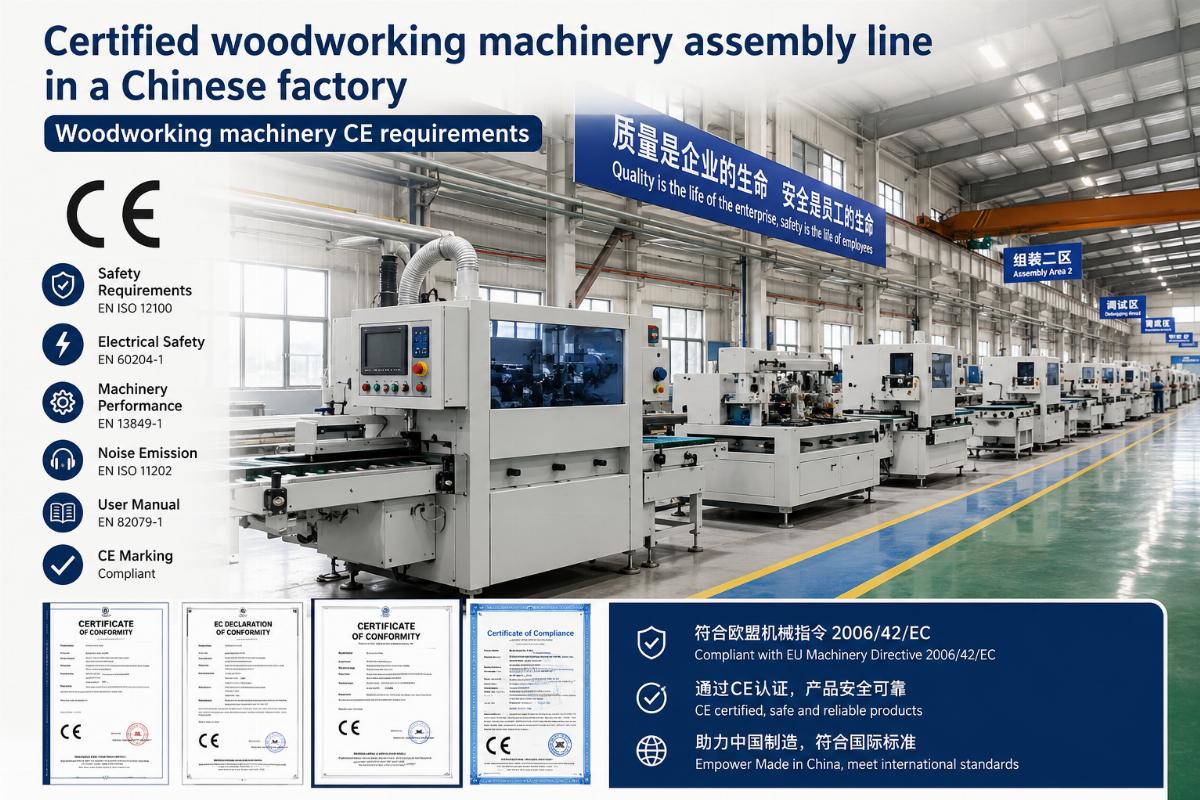
- CNC Router Verification – Cross-check that test reports match the exact model number and working size of the router you are ordering, not a generic category document.
- Production Line Audit – For full panel or door production lines, request a per-machine certification list before placing your deposit.
- Standard Cross-Reference – Confirm all test documents reference the latest 2024 revisions of applicable EN safety standards for woodworking equipment.
What common CE certification pitfalls lead to customs rejection?
Expired certification and missing category-specific reports are the top two causes of EU customs holds. Many buyers treat CE certification as a one-time purchase check, but valid credentials require annual factory audits to remain active, and even a lapsed annual review can invalidate all previously issued certificates for a supplier’s product lines. We’ve seen a distributor lose 20% of a full container shipment just last year when their supplier’s certification expired three months prior to the order.
| Risk Factor | Low-Risk Supplier Behavior | High-Risk Supplier Behavior |
|---|---|---|
| Certification Validity | Provides audit records for the last 3 consecutive years | Cannot produce proof of annual factory audits for CE marks |
| Documentation | Shares full, test-specific documents for all order items | Offers only a single CE certificate for all product lines |
| Shipment Timeline | Submits full documentation 7 working days before cargo departure | Provides certification documents only after shipment leaves the factory |
A Kenyan small workshop recently ordered a 1-unit entry-level 1325 CNC router from a certified Chinese supplier, and received full CE documentation with the shipment. The total cost was 40% lower than equivalent European brand models, and the unit cleared customs in Nairobi without any additional compliance checks. [NEED_CITE: Entry-level CE-certified 1325 CNC routers from Chinese suppliers cost 40-50% less than comparable German and Italian brand models]
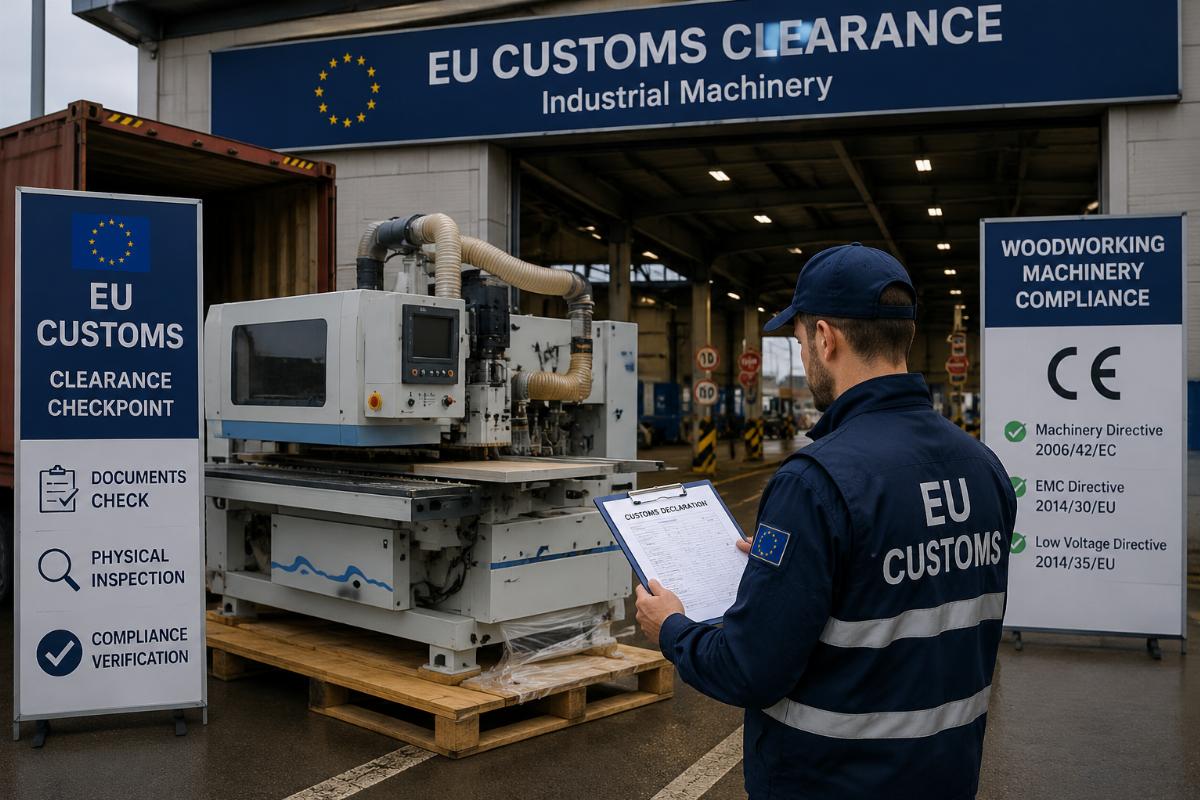
- Audit Record Request – Ask suppliers to share proof of their latest CE certification audit, completed within the last 12 months, before finalizing your order.
- Document Pre-Delivery Check – Require all certification documents to be shared and reviewed at least one week before the scheduled shipment date.
- Container Content Match – Confirm that the list of certified machine models exactly matches the SKUs and quantities listed on your commercial invoice and packing list.
How can small and medium buyers qualify for CE-certified machinery without exceeding budget?
Chinese manufacturers with valid ISO 9001 and TüV-audited CE certification offer compliant machinery at 40-50% lower price points than European brands. The long-held myth that entry-level CE-certified woodworking machinery is unaffordable for small workshops is completely outdated, as flexible MOQ policies and domestic production efficiencies in China have eliminated the price premium for compliant equipment. You do not need to order full container loads or high-end production lines to access valid, cost-effective CE certification.
| Buyer Segment | Budget Stretching Mistake | Cost-Effective Compliance Approach |
|---|---|---|
| Small Workshops | Buy uncertified used European equipment to save cost | Order entry-level new certified machines from Chinese suppliers with 1-unit MOQs |
| Mid-Scale Factories | Pay premium for European brand turnkey lines | Source full certified lines from Chinese manufacturers with dedicated assembly lines |
| Distributors | Order uncertified units to mark up higher margins | Carry pre-certified inventory to reduce customer return and rejection rates |
Earlier this year, a European distributor ordered a 30-unit batch of wood door processing centers, all with TüV-audited CE certification, from a Chinese supplier. The order came with a 2-year warranty and free on-site installation support for the distributor’s end customers, and the total landed cost was 47% lower than sourcing the same units from a domestic European manufacturer.
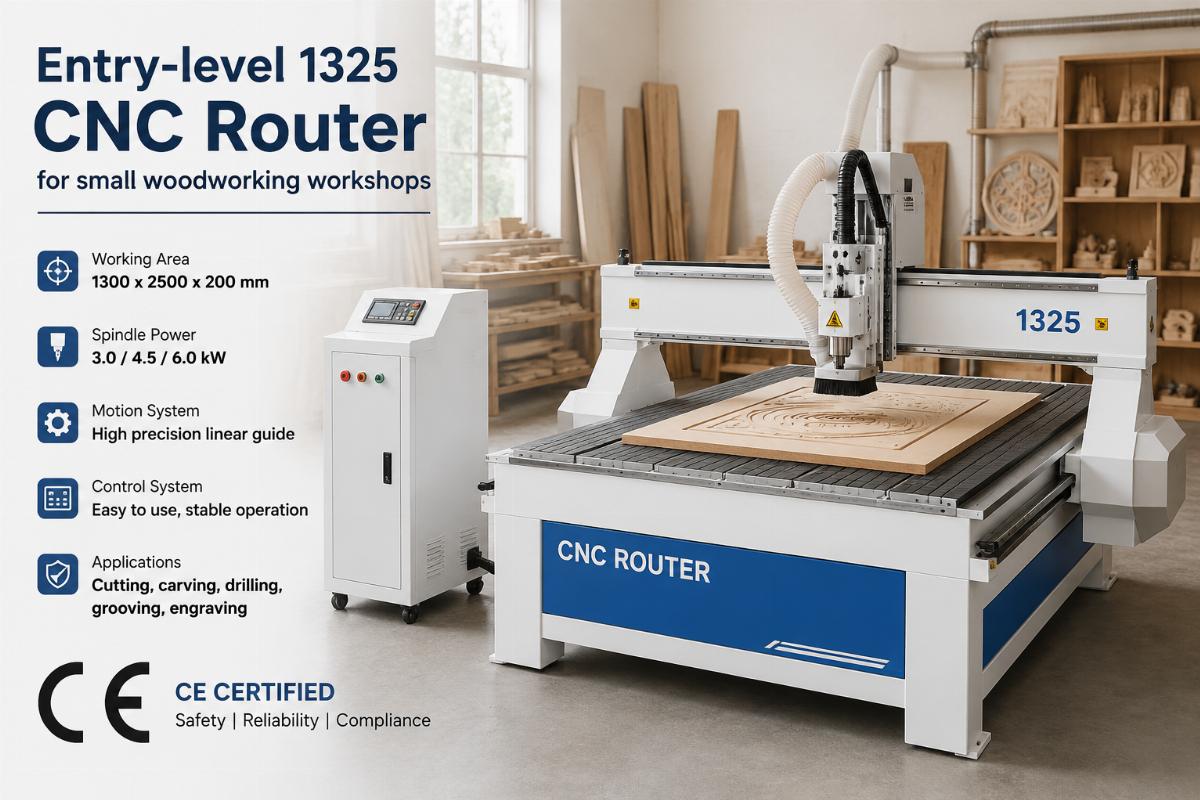
- MOQ Confirmation – Prioritize suppliers that offer 1-unit minimum order quantities for CE-certified entry-level models, no bulk order requirement needed.
- Pricing Comparison – Calculate total landed cost including compliance fees, not just the unit purchase price, to get an accurate savings comparison.
- Warranty Alignment – Select suppliers that offer at least a 2-year warranty on all certified units, to cover any post-delivery compliance-related issues.
Conclusion
Valid CE certification for woodworking machinery depends on category-specific testing, active annual audits, and transparent supplier documentation, not a single generic document. The common misconceptions around one-size-fits-all certification and prohibitive pricing have led thousands of buyers to unnecessary compliance risks, but these barriers are easily avoided by working with experienced Chinese manufacturers that specialize in global export compliance. For every buyer segment from small startup workshops to global distributors, the combination of lower cost and consistent compliance makes certified Chinese suppliers the most reliable option for woodworking machinery sourcing in 2026.
Leave a Reply