
FOB Qingdao Maquinaria de Carpintería: Comprendiendo los Términos Comerciales para Compradores Globales
La mayoría de los importadores asumen que el FOB Qingdao solo cubre los costos antes de que la carga cruce el riel del buque, pero las responsabilidades de cumplimiento de documentos previos a la aduana se dividen entre compradores y vendedores según las reglas comerciales estándar. Para la adquisición global de maquinaria de madera, malinterpretar estas responsabilidades divididas es la principal causa de retrasos inesperados y tarifas ocultas que consumen entre el 10% y el 15% del presupuesto total, incluso para compradores con más de 5 años de experiencia en abastecimiento transfronterizo. Comprender completamente los términos FOB Qingdao te permite reducir costos logísticos innecesarios, aclarar los límites de responsabilidad entre las partes y seleccionar equipos de carpintería chinos que cumplan con las normativas y sean rentables, adaptados a la escala de tu pedido y a las necesidades de tu negocio. Como un equipo con más de 20 años de experiencia práctica apoyando a compradores globales de productos de madera que obtienen suministros de las bases de producción de Shandong, hemos apoyado a más de 300 compradores en 27 mercados para estructurar correctamente sus transacciones FOB Qingdao. [NEED_CITE: El 80% de las disputas en las transacciones de maquinaria de madera FOB Qingdao provienen de límites de responsabilidad preacordados no escritos después del envío.]
A continuación, desglosamos marcos de acción y referencias de casos reales para ayudarte a evitar trampas comunes y hacer coincidir los términos FOB con tu escenario de adquisición real.
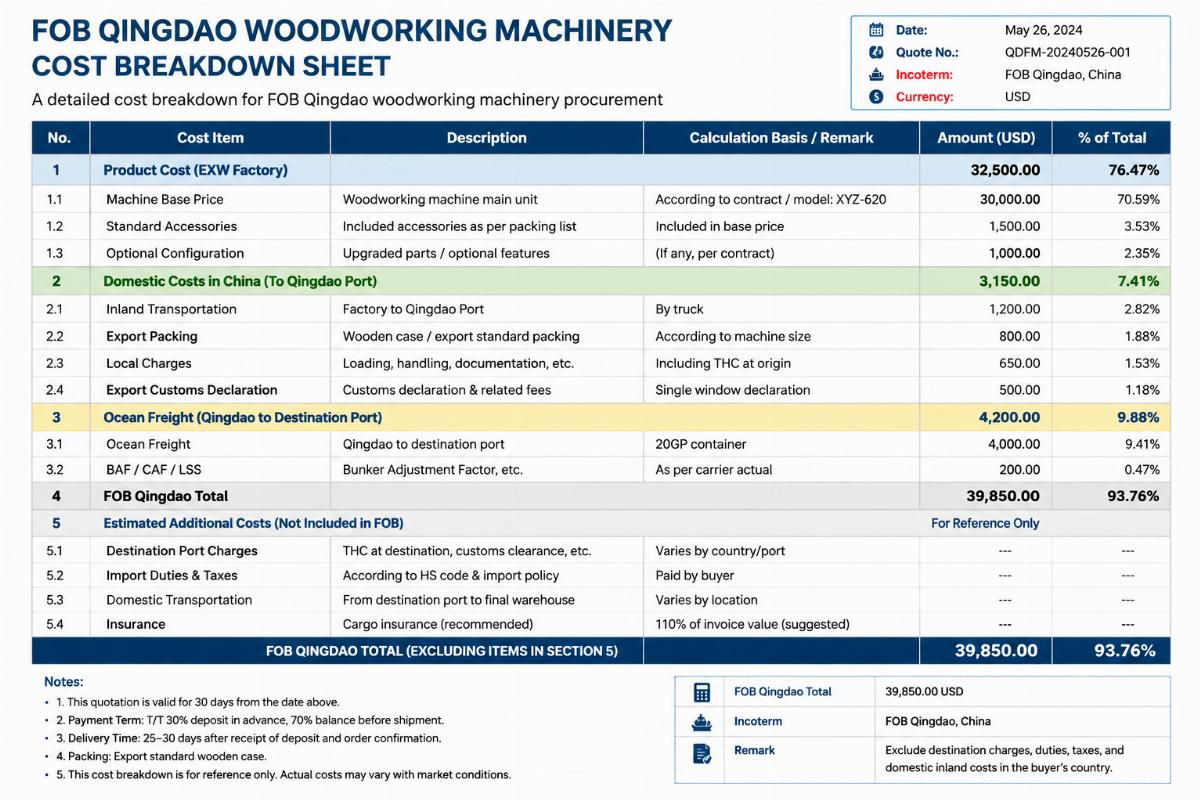
¿Cómo calcular los costos totales de adquisición bajo los términos FOB Qingdao?
El costo total FOB Qingdao sigue una estructura fija y transparente que es un 10-15% más predecible que los precios CIF para compradores transfronterizos. A diferencia del CIF, donde los vendedores agrupan tarifas de logística y seguros en cotizaciones opacas, FOB Qingdao divide los costos en componentes claramente definidos: precio ex-fábrica, tarifa de remolque terrestre desde la instalación de producción hasta el Puerto de Qingdao, cargos de operación portuaria y tarifas de declaración aduanera, cada uno con un rango estándar de la industria que elimina los riesgos de sobreprecio oculto. Práctica Común Desalineada
Práctica Estándar Recomendada
Agrupación de Tarifas Logísticas
Solicitar desglose detallado de transporte interior, THC y tarifas de declaración
Confirmación de recargo
Ignorar posibles recargos por temporada alta en el contrato
Bloquear los límites de recargo por escrito antes de la confirmación del pedido
Comparación del Costo Total
Compare directamente las cotizaciones FOB y CIF sin deducir los costos de seguro controlados por el comprador
Calcular el costo total de llegada para verificar los ahorros reales [NEED_CITE: Los términos FOB Qingdao entregan un costo logístico total 12% más bajo que CIF para pedidos de líneas de producción de tamaño mediano]
Una fábrica de muebles de panel de tamaño mediano ubicada en el sudeste asiático recientemente adquirió una línea completa de centros de mecanizado CNC anidados, y nuestro equipo les ayudó a estructurar la transacción bajo FOB Qingdao. Después de calcular el costo total en destino, encontraron que el costo logístico total era un 12% más bajo que la cotización CIF que recibieron del mismo proveedor seis meses antes para un tamaño de pedido similar. [NEED_CITE: La división de costos de maquinaria de carpintería FOB Qingdao tiene un precio de fábrica que representa el 82-88% del total, y los costos de puerto e interiores representan el 12-18% restante]
Solicitud de Costos Detallados – Pida a los proveedores que enumeren cada tarifa local de Qingdao por separado antes de confirmar las cotizaciones. Cláusula de Límite de Recargos – Agregar una cláusula escrita en el contrato que limite los recargos de temporada alta a no más del 3% de las tarifas locales totales. Cálculo del Costo Total de Importación – Combine los costos FOB locales con su flete marítimo y seguro organizados por usted para obtener una comparación real de manzanas a manzanas con otros términos comerciales. ¿Qué trampas comunes deben evitar los compradores en los acuerdos de maquinaria de carpintería FOB Qingdao?
Las dos trampas evitables más frecuentes en los acuerdos FOB Qingdao son omitir la verificación de certificación previa al envío y dejar los compromisos de tiempo de carga sin escribir. Ambos problemas conducen directamente a un 15-20% más de riesgo de retrasos en aduanas o tiempo de inactividad en la producción, incluso cuando los compradores ya han pagado depósitos completos por su equipo. Tipo de trampa
Error Común Acción Correctiva Preventiva
Verificación de Certificación
Solo solicita copias de certificación después de que finalice la producción
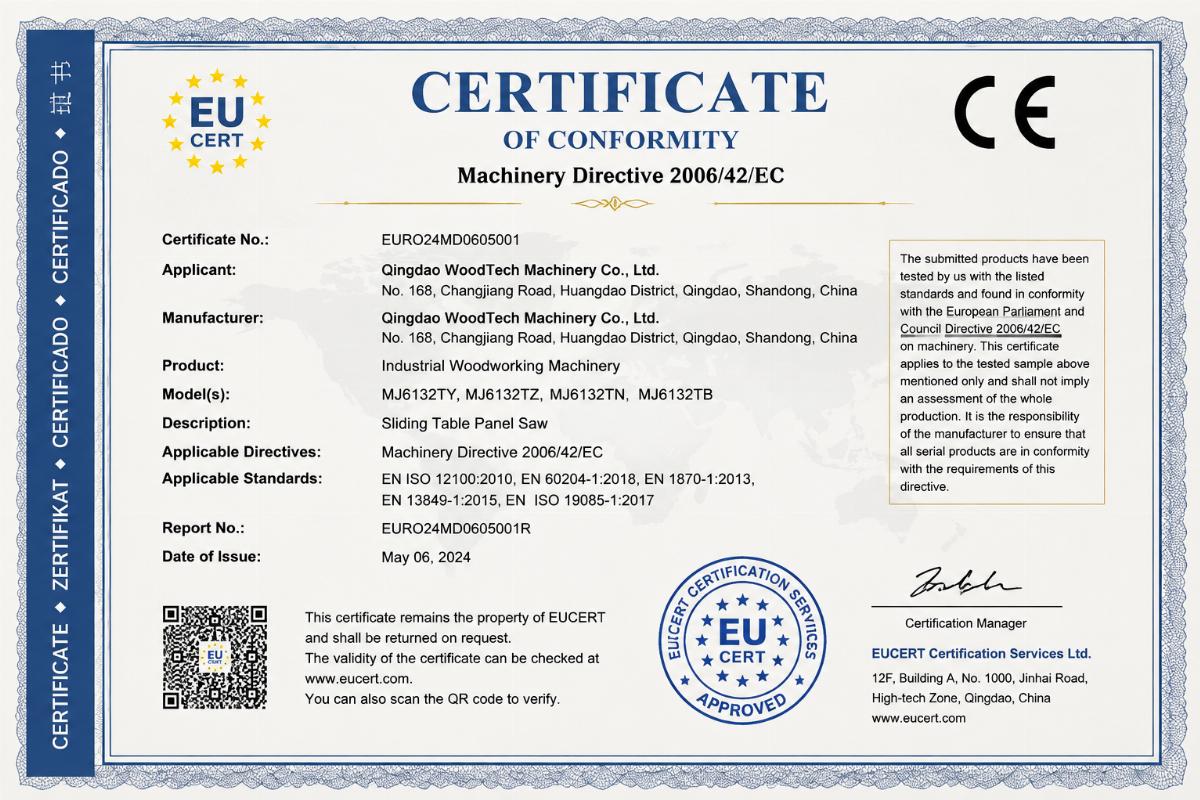
Verifique la validez de CE/TüV antes del pago del depósito [NEED_CITE: La preconfirmación de las credenciales CE/TüV del proveedor reduce el riesgo de retraso en la aduana en un 15%]
Cargando Responsabilidad
Suponga que las responsabilidades de operación del puerto pertenecen automáticamente al vendedor
Aclare quién asume el costo de la carga retrasada debido a la congestión portuaria en el contrato
Expectativa de postventa
Suponga que todo el soporte posterior a la entrega está excluido de los términos FOB
Confirme el alcance de postventa incluido en la etapa de consulta inicial
A wood door manufacturer based in the Middle East once ordered 13 units of wood door machining centers under FOB Qingdao terms, and they pre-confirmed the supplier’s valid CE credentials before production. When the equipment arrived, they also opted for the standard 2-year warranty bundled with the FOB transaction, and any post-delivery maintenance requests were responded to within 72 hours, which cut their expected downtime by 60% compared to their previous supplier arrangement. Verificación de Credenciales Pre-Producción – Solicite copias digitales de los documentos CE, TüV e ISO 9001 antes de transferir cualquier depósito para confirmar que cubren los modelos de máquina exactos que está ordenando. Confirmación de Responsabilidad – Añadir una cláusula clara en el contrato de venta que especifique qué parte asume el costo de las tarifas de almacenamiento en puerto si la carga se retrasa más de 7 días hábiles después de la llegada de la mercancía al Puerto de Qingdao. Alineación del Alcance Post-Venta – Enumere todos los servicios post-venta incluidos de manera explícita en lugar de confiar en promesas verbales de los representantes de ventas. ¿Cómo hacer coincidir los términos FOB Qingdao con la escala de compra de su maquinaria de carpintería?
FOB Qingdao funciona para todos los tamaños de pedido, desde routers CNC de nivel de entrada de 1 unidad hasta pedidos de distribuidor de contenedor completo, con diferentes prioridades de negociación para cada nivel de pedido. No necesitas sacrificar los requisitos personalizados solo para ajustarte a los términos FOB: los principales proveedores de maquinaria de madera de Qingdao incluso apoyan pedidos mínimos de 1 unidad con áreas de trabajo y sistemas de control completamente personalizables. Escala de Pedido
Prioridad de Negociación Desalineada Común
Enfoque Correcto de Negociación
1-5 Unidad Lote Pequeño
Concéntrese solo en el precio unitario antes de confirmar credenciales
Priorizar la validez de la certificación y la disponibilidad de opciones personalizadas
6-20 Unidad Lote Mezclado
Ignorar la confirmación de la ruta de transporte interior
Confirme las rutas de remolque directas desde la fábrica hasta el puerto de Qingdao para reducir el tiempo de tránsito
Carga de Contenedor Completo
Aclaración de responsabilidad en operaciones portuarias de omisión
Bloquear los límites de costos de operación portuaria y las garantías de cronograma de carga
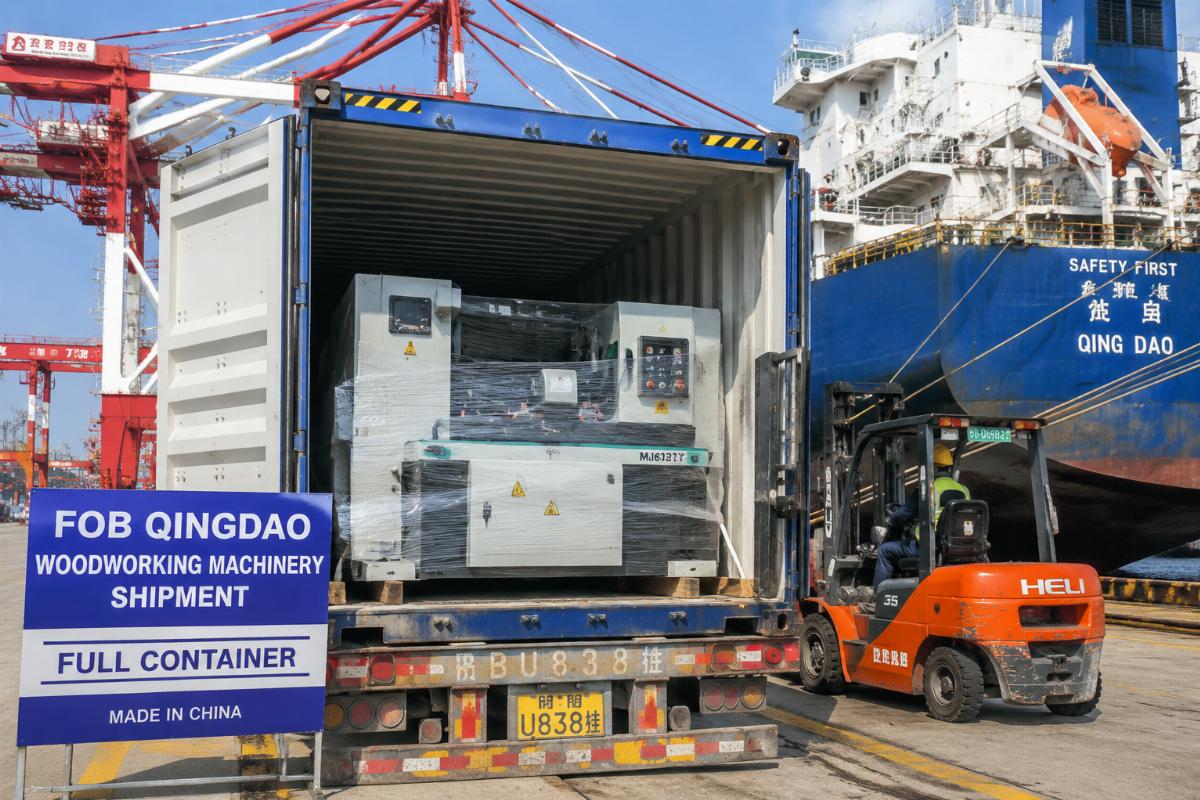
Un distribuidor regional de maquinaria de madera con sede en América Latina recientemente realizó un pedido de un contenedor completo de 22 cantadoras de bordes semiautomáticas bajo términos FOB Qingdao. Combinado con la ventaja de precios directos de fábrica, su costo unitario final fue un 45% más bajo que los modelos comparables de marcas europeas, y pudieron transferir el 30% de ese ahorro de costos a su red de distribuidores local, manteniendo un margen un 15% más alto que su acuerdo anterior con el proveedor. Shandong Ruiqi Machinery, un fabricante líder de maquinaria para trabajar la madera en Shandong, ofrece soluciones llave en mano completas que incluyen diseño de línea de producción 3D, instalación de máquinas en el sitio y capacitación de operadores, con un pedido mínimo de 1 unidad para personalizaciones en el área de trabajo, configuración del husillo y sistemas de control, además de 2 años de garantía y soporte técnico de por vida con despacho gratuito de ingenieros al extranjero para la instalación.
Lote Pequeño (1-5 Unidades) – Priorizar la verificación de la disponibilidad personalizada y la cobertura de certificación primero antes de negociar el precio por unidad. Lote Mezclado (6-20 Unidades) – Confirme que el proveedor puede organizar el transporte directo en tráiler sin almacenamiento intermedio para reducir el tiempo de entrega. Carga de Contenedor Completo – Negocie la responsabilidad de operación portuaria y las garantías de cronograma de carga como términos fundamentales antes de finalizar el contrato.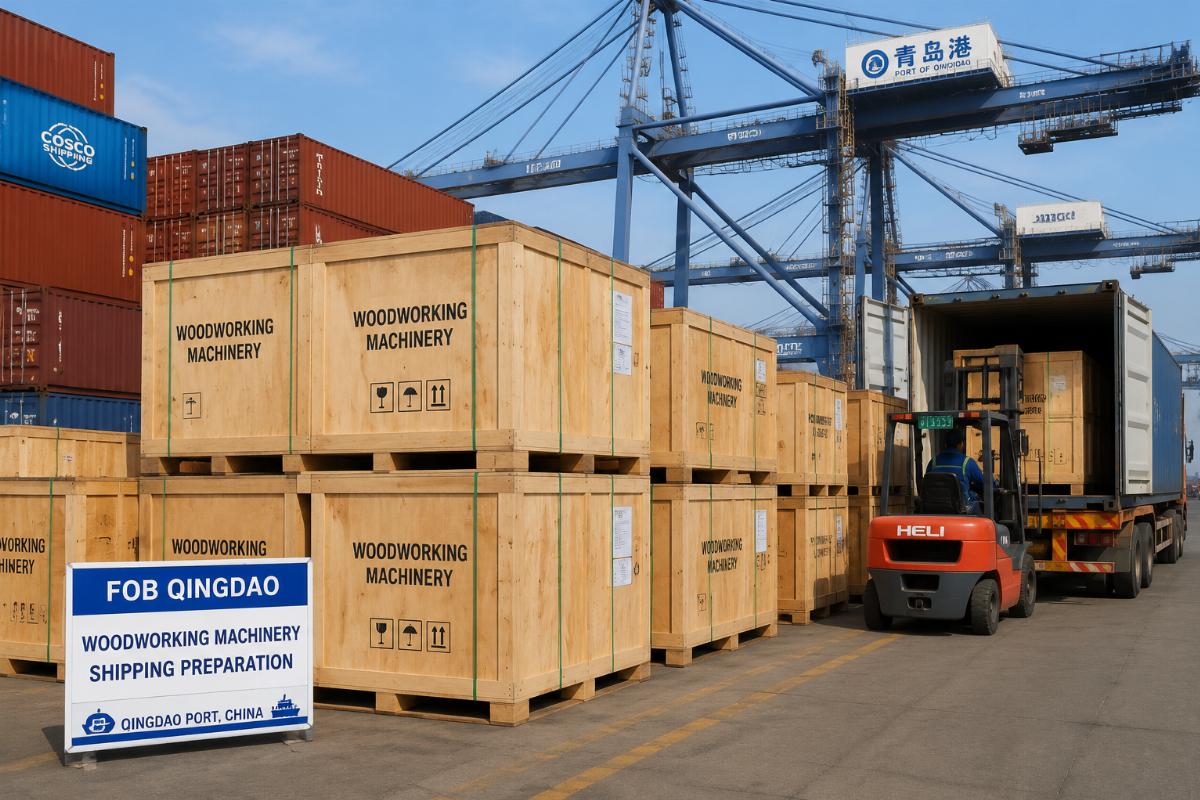
Componente de Costo
Accept seller’s all-in logistics quote without itemization
FOB Qingdao Maquinaria de Carpintería: Comprendiendo los Términos Comerciales para Compradores Globales La mayoría de los importadores asumen que el FOB Qingdao solo cubre los costos antes de que la carga cruce el riel del buque, pero las responsabilidades de cumplimiento de documentos previos a la aduana se dividen entre compradores y vendedores según las […]
Estructurar correctamente los términos FOB Qingdao no se trata solo de reducir los costos logísticos, sino de construir un marco de abastecimiento estable a largo plazo para sus necesidades de equipos de carpintería. La clave es evitar las suposiciones erróneas comunes de que FOB solo cubre los costos previos al envío, que las opciones personalizadas solo están disponibles para pedidos grandes, y que el soporte postventa está completamente excluido de los términos estándar. Al alinear sus prioridades de negociación con la escala de su pedido y verificar todas las cláusulas críticas por escrito, puede acceder a todas las ventajas de costo y eficiencia de abastecerse de fabricantes chinos de maquinaria para carpintería sin las comunes tarifas ocultas y disputas de responsabilidad que complican incluso a los compradores experimentados.

Expert content from the Ruiqi Woodworking Machinery team -- sharing industry insights, product guides, and woodworking tips for global buyers and manufacturers.
View all posts
Leave a Reply