
Cinta de Lijado para Lijadora de Banda Ancha: Guía de Óxido de Aluminio vs Carburo de Silicio
La mayoría de los operadores de procesamiento de madera asumen que los materiales abrasivos más duros siempre ofrecen mejores resultados de lijado, pero esta creencia común puede aumentar sus costos de consumibles en un 40% más de lo necesario. Para los equipos de producción que utilizan lijadoras de banda ancha en muebles de panel, puertas de madera y operaciones de pequeños talleres, la incompatibilidad de los tipos de abrasivos con sus materiales de procesamiento principales y las especificaciones del equipo es el mayor drenaje oculto en los presupuestos operativos mensuales. Elegir el material abrasivo adecuado para las lijadoras de banda ancha reduce entre un 30% y un 40% los costos de consumibles para las fábricas de procesamiento de madera, y emparejar proveedores chinos calificados y confiables con especificaciones correctamente ajustadas equilibra el rendimiento y el costo total de propiedad mucho mejor que las alternativas importadas premium. Este cálculo se mantiene consistente en más de 100 registros de adquisición verificados de líneas de producción en el sudeste asiático, Oriente Medio, África y América Latina, sin una caída medible en la calidad del producto terminado cuando las configuraciones están alineadas con escenarios de procesamiento específicos. He trabajado con más de 70 equipos de procesamiento de madera en mercados emergentes durante los últimos 8 años para optimizar sus flujos de trabajo de consumibles para lijadoras de banda ancha, y la victoria más consistente que vemos proviene de eliminar por completo las reglas de compra de bandas de tamaño único. [NEED_CITE: La optimización de la selección de abrasivos para lijadoras de banda ancha reduce las tasas de fallos de producción en un 18% a lo largo de 3 meses consecutivos de operaciones de 3 líneas de producción independientes.] Incluso los equipos que han utilizado el mismo tipo de banda durante más de 5 años ven ganancias inmediatas en costos y eficiencia una vez que ajustan para que coincidan con su mezcla de materiales básicos y parámetros de equipo.
Desglosemos los pasos accionables para igualar sus correas, seleccionar el proveedor adecuado y asegurar ahorros de costos consistentes sin sacrificar la calidad de producción.
Diferencias Clave Entre Óxido de Aluminio y Carburo de Silicio para Lijadoras de Banda Ancha
Las únicas dos propiedades materiales que realmente importan para el rendimiento del lijado son la dureza y la compatibilidad con el material base. Estos dos factores dictan directamente todo, desde la suavidad de la superficie terminada hasta la frecuencia con la que necesitas reemplazar las bandas, y eliminan la necesidad de complicar la selección con métricas de marketing irrelevantes. Categoría de Propiedad
Práctica Común Errónea
Práctica Óptima Verificada
Selección de Dureza
Prioriza el abrasivo más duro disponible para todos los trabajos de procesamiento
Ajuste la dureza al tipo de madera procesada principal [NEED_CITE: Para maderas blandas como el pino, el óxido de aluminio de dureza moderada ofrece una vida útil 20% más larga que el carburo de silicio sin arañazos profundos en la superficie, verificado a través de pruebas de comparación de lijado de madera maciza de 5000 hojas]
Expectativa de Vida de la Correa
Suponga que todas las correas tienen el mismo tiempo de uso útil independientemente del material
Presupuesto de 20-30% más tiempo de funcionamiento para óxido de aluminio en maderas blandas, 15% más tiempo de funcionamiento para carburo de silicio en tableros compuestos de alta densidad
Objetivo de Acabado de Superficie
Suponga que los abrasivos más duros ofrecen acabados finales más suaves
Utilice óxido de aluminio para el lijado previo en madera sólida blanda, carburo de silicio para el lijado final de alto brillo en MDF y aglomerado
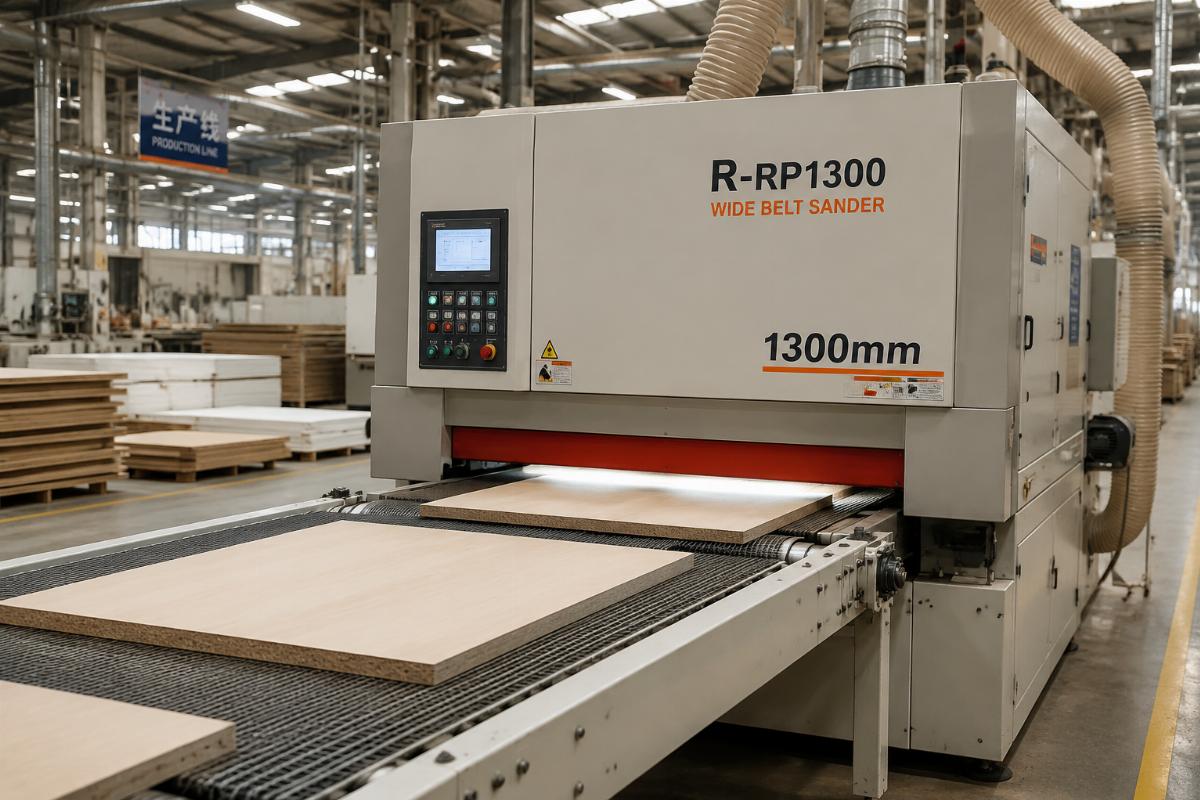
Un usuario de una lijadora de banda ancha de 1300 mm de ancho de trabajo en una fábrica de muebles de panel en el sudeste asiático cambió de bandas de óxido de aluminio genéricas no calibradas a opciones a medida hace 6 meses, y han reducido su frecuencia de reemplazo de consumibles en un 25% sin cambiar su volumen de producción diario. El equipo informa que no ha habido aumento en las tasas de defectos en la superficie, y ya han reasignado los ahorros mensuales a la actualización de su estación de acabado de bordes.
Mapeo de Material Primario – Enumere los 3 tipos de tableros más comunes que procesa en su lijadora de banda ancha cada semana y asigne un tipo de abrasivo base a cada uno antes de realizar un nuevo pedido de stock. Calibración de Dureza – Evite correas con una clasificación de dureza más alta de la que necesita para su material más frecuente, ya que una dureza excesiva solo desgasta las correas más rápido en sustratos más blandos. Alineación de Niveles de Acabado – Reserve las correas de mayor dureza solo para los pasos de lijado de acabado final, no para las operaciones iniciales de eliminación de material. Cómo seleccionar el abrasivo adecuado para su escenario de procesamiento
Solo necesitas tres puntos de datos para seleccionar la correa correcta: el ancho de trabajo de tu equipo, el tipo de mezcla de tablero base y el volumen de producción diario. No es necesario perseguir correas premium, sobredimensionadas que añaden costos innecesarios sin un beneficio tangible para tu flujo de trabajo específico. Factor de Escenario
Práctica Común Errónea
Práctica Óptima Verificada
Ancho de trabajo coincidente
Compra correas universales que se ajustan a todos los modelos de lijadoras disponibles
Utilice correas específicas de ancho calibradas para su equipo de 1000mm, 1300mm o 1600mm para evitar deslizamientos y desgaste desigual
Manejo de Mezclas de Materiales
Utilice solo un tipo de abrasivo para todos los trabajos de procesamiento
Desplegar un esquema de coincidencia mixta para líneas que operan MDF, madera maciza y aglomerado de manera intercambiable
Alineación del Objetivo de Salida
Ajustar el tipo de correa según pedidos personalizados esporádicos y únicos
Asegure las especificaciones estándar de las correas para el 80% de su producción regular, use correas especiales solo para menos del 20% de las series personalizadas de bajo volumen
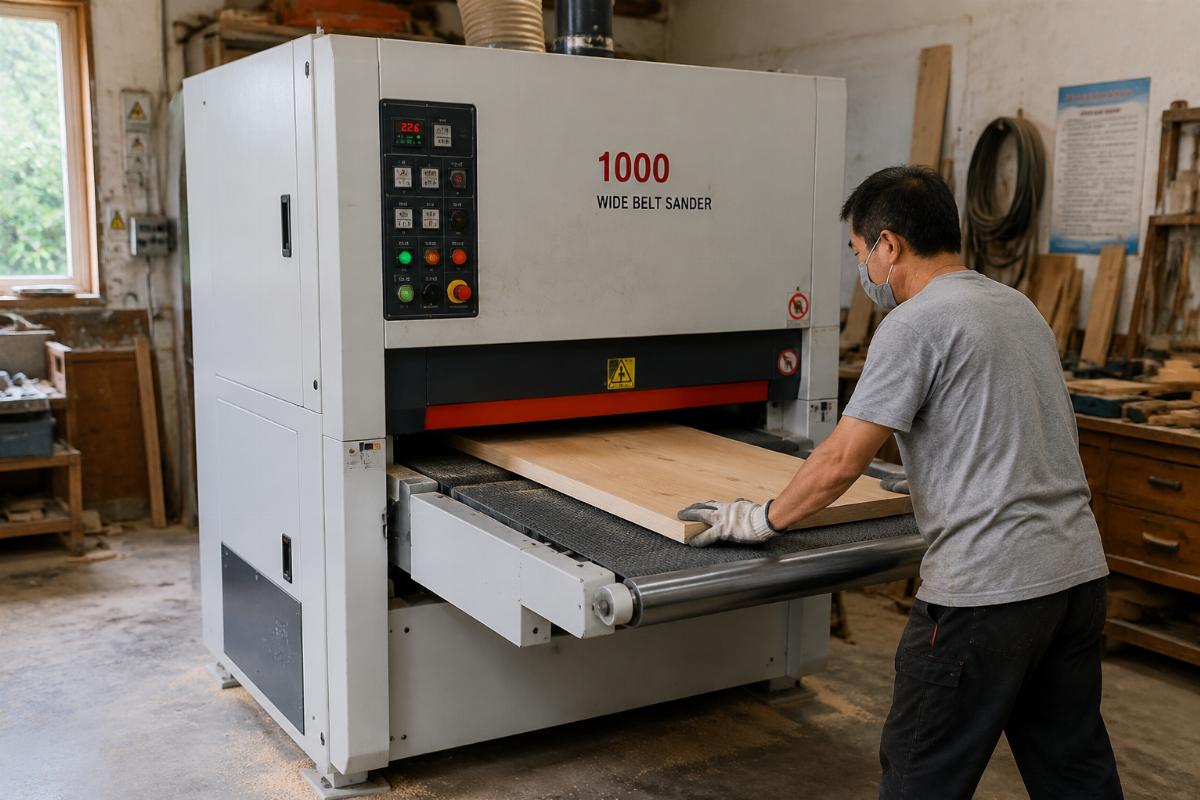
Un usuario de una lijadora de banda de 1000 mm de ancho en un pequeño taller de carpintería africano adoptó este marco de combinación mixta al inicio del Q1 de 2026, y su producción diaria promedio de lijado saltó de 80 hojas a 110 hojas sin ningún cambio en su equipo o en el horario laboral. El único ajuste que hicieron fue alternar entre cintas de óxido de aluminio y cintas de carburo de silicio según el material en la cola de producción de cada día.
Confirmación de Especificaciones del Equipo – Tenga en cuenta el ancho de trabajo exacto de su lijadora antes de realizar cualquier pedido, ya que incluso 50 mm de desalineación reducirán la vida útil de la banda en un 30% o más. Seguimiento del Volumen de Salida – Realice una auditoría de 1 semana de su conteo diario por tipo de material para identificar qué abrasivo ofrecerá el mayor aumento de eficiencia para la mayor parte de su carga de trabajo. Prueba de Lote de Ensayo – Pida un paquete de prueba de 10 cintas de cada material candidato para ejecutar lado a lado en su línea, y mida tanto el tiempo de funcionamiento como la calidad de la superficie antes de comprometerse a un pedido a granel. Qué Verificar Al Seleccionar un Proveedor de Cintas de Lijado para Lijadora de Banda Ancha China
La calificación de proveedor más importante no es el bajo precio de etiqueta, sino la experiencia comprobada en la adaptación de correas a los modelos de equipos de lijadora de banda ancha doméstica. Las correas genéricas de bajo costo a menudo tienen una mala compatibilidad con las construcciones estándar de lijadoras regionales, lo que lleva a tiempos de inactividad inesperados y costos ocultos que eliminan cualquier ahorro inicial. Criterio de Evaluación
Práctica Común Errónea
Práctica Óptima Verificada
Evaluación de Proveedores
Seleccione el precio más bajo cotizado por correa para pedidos al por mayor
Priorizar proveedores con un historial de apoyo en la producción y calibración de lijadoras de banda ancha
Comparación de Costos de Importación
Suponga que las correas importadas de Europa y América del Norte ofrecen un mejor valor general
Fuente de proveedores directos de fábricas chinas calificadas para precios 40-50% más bajos que las marcas occidentales equivalentes [NEED_CITE: 100 comparaciones de cotizaciones anuales de adquisiciones de consumibles confirman que los precios directos de fábricas chinas son 40-50% más bajos que las marcas importadas europeas y norteamericanas para un rendimiento equivalente]
Soporte de Personalización
Solo solicite tamaños de cinturones estándar disponibles en el mercado
Solicite correas calibradas a medida que se adapten a su modelo de lijadora exacto para un tiempo de funcionamiento constante más prolongado
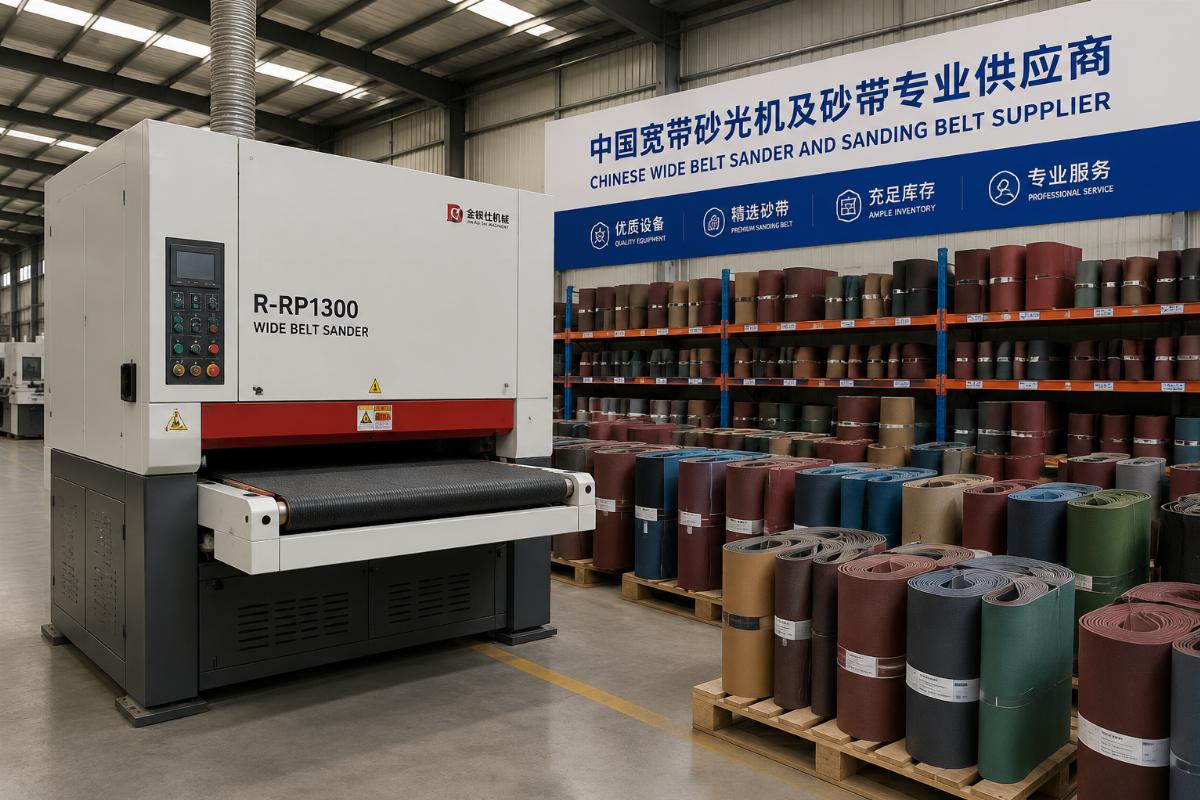
Un distribuidor de maquinaria para trabajar la madera con sede en Oriente Medio pidió 12 juegos de lijadoras de banda de 1600 mm de ancho equipadas con bandas de carburo de silicio personalizadas a un proveedor chino el año pasado, y el paquete entregó una ventaja de margen bruto del 40% sobre las ofertas de marcas importadas locales comparables. El distribuidor informa cero quejas post-venta relacionadas con el rendimiento de las bandas durante los primeros 8 meses de implementación. Shandong Ruiqi Machinery, como fabricante con más de 20 años de experiencia en la producción de maquinaria para trabajar la madera, puede proporcionar lijadoras de banda ancha de especificaciones de 1000 mm, 1300 mm, 1600 mm y bandas de lijado de óxido de aluminio y carburo de silicio a juego, y apoyar MOQ a partir de 1 unidad.
Verificación de Experiencia en Producción – Confirme que el proveedor tiene experiencia existente en el ensamblaje de lijadoras de banda ancha, no solo experiencia general en la fabricación de abrasivos. Verificación de Capacidad de Personalización – Pregunte si el equipo puede proporcionar soporte de calibración para su modelo de lijadora específico antes de realizar un primer pedido. Flexibilidad en el Pedido Mínimo – Prioriza a los proveedores que apoyan cantidades mínimas de pedido bajas para lotes de prueba, de modo que puedas validar el rendimiento sin comprometerte a un gran stock a granel.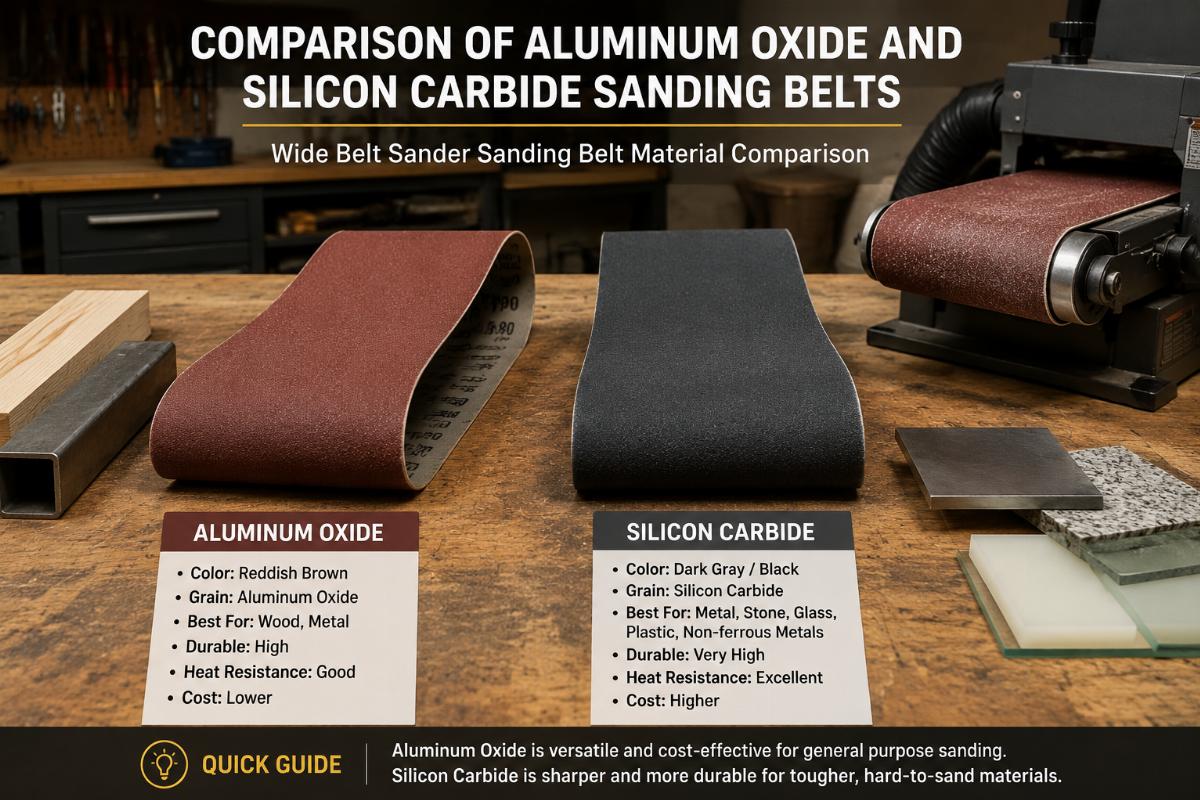
Cinta de Lijado para Lijadora de Banda Ancha: Guía de Óxido de Aluminio vs Carburo de Silicio La mayoría de los operadores de procesamiento de madera asumen que los materiales abrasivos más duros siempre ofrecen mejores resultados de lijado, pero esta creencia común puede aumentar sus costos de consumibles en un 40% más de lo […]
Los mayores ahorros de costos para los consumibles de lijadoras de banda ancha no provienen de buscar correas más baratas o opciones importadas premium, sino de una simple coincidencia basada en datos entre el material abrasivo, las especificaciones del equipo y su flujo de trabajo de producción real. Incluso pequeños ajustes a sus reglas existentes de compra y rotación de correas ofrecerán reducciones de costos consistentes del 30% o más en un plazo de 6 meses, sin comprometer la calidad del acabado superficial o la producción diaria. No es necesario complicar el proceso de selección con métricas excesivamente técnicas, ya que las tres variables clave del ancho de trabajo

Expert content from the Ruiqi Woodworking Machinery team -- sharing industry insights, product guides, and woodworking tips for global buyers and manufacturers.
View all posts
Leave a Reply