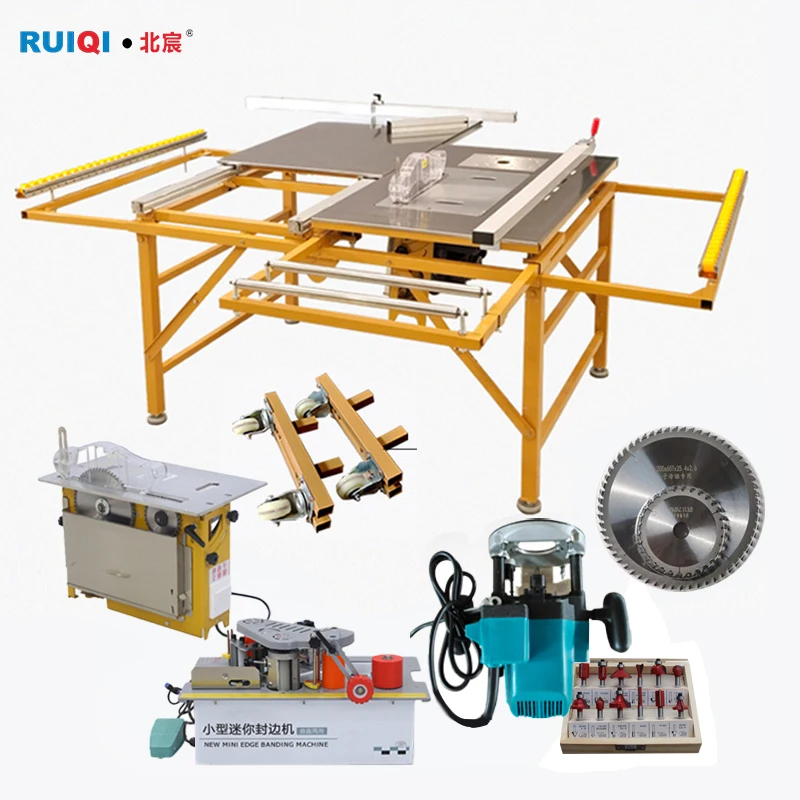
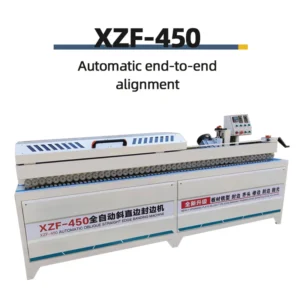
In-House Component Precision — proprietary cutting mechanisms ground and verified to tolerance on the JT160 PRO before any OEM branding is applied.
Technical Specifications
| Parameter |
Value |
| Model |
JT160 PRO |
| Product Type |
Portable Folding Woodworking Table Saw with Edge Banding Machine |
| Configuration |
J2 Dust-free Male and Female Saw + Saw Table + Edge Banding Machine |
| Total Power |
6200W (Male and Female Saw) + 1000W (Edge Banding Machine) |
| Main Saw Power |
3000W |
| Main Saw Speed |
3800 r/min |
| Main Saw Diameter |
20CM |
| Sub Saw Power |
2000W |
| Sub Saw Speed |
13000 r/min |
| Vacuum Cleaner Power |
1200W |
| Maximum Plank Cutting Length |
2.44M |
| Maximum Plank Cutting Thickness |
4CM |
| Track Type |
Double track, 8CM width, 100CM length |
| Edge Banding Machine Power |
1000W |
| Edge Banding Thickness Range |
0.3–3MM |
| Edge Banding Height Range |
0–50MM |
| Minimum Sheet Size |
25CM (L) × 5CM (W) |
| Glue Pot Capacity |
1000ml |
| Air Source Pressure |
0.5–0.8 MPa |
| Voltage |
220V / 380V / customization |
| Plug Options |
EU, USA, AU, UK |
| Folded Saw Table Size |
100 × 72 × 30CM |
| Expanded Saw Table Size |
250 × 205 × 75CM |
| Male and Female Saw Size |
50 × 30 × 38CM |
| Edge Banding Machine Size |
54 × 35 × 33CM |
| Product Weight |
55KG + 22KG + 15KG (saw table + saw unit + edge bander) |
| Language Options |
Chinese and English standard; other languages customizable |
| Assembly State |
Portable folding design |
Application Suitability
| Application |
Material or Output |
| On-site custom furniture fabrication |
MDF, particleboard and plywood panel cutting with curved and straight edge banding |
| Small joinery workshop production |
Solid wood panels and veneered board processing with PVC edge banding |
| Portable joinery operations |
Panel sizing and edge finishing at installation sites or temporary workshops |
| Startup workshop scaling from manual |
Combined cutting and edge banding for cabinet and shelving fabrication |
Why the Voltage Question Must Come Before the Quotation
Every voltage and frequency is locked in writing before the control panel is wired.
I once watched an entire overseas line sit idle for three weeks because the glue pot would not heat — the frequency mismatch was never confirmed before shipping. The edge banding machine factory had wired for a different grid standard, and the buyer was left sourcing a transformer locally. That delay cost the distributor a major installation contract and eroded end-user confidence [NEED_CITE: voltage and frequency standards by export market]. When an OEM edge banding machine manufacturer skips electrical verification, the consequences land on the reseller, not the factory floor.

Private-Label Production With Verified Manufacturing Depth
Building a distributor brand requires more than stamping a logo on a crate. The JT160 PRO supports OEM logo application and private-label documentation, but the real value lies in what happens before branding. Each unit goes through incoming material inspection, in-process checks on the grinding and assembly of the saw and edge banding mechanisms, and a finished-product run before any brand markings are applied. This means your brand ships on a machine that has already been tested under load, not one that was decorated and boxed.
Electrical Specification Lockdown Before Production Begins
Voltage customization on this edge banding machine factory line covers 220V, 380V, and custom configurations matched to the destination market. Plug options span EU, USA, AU, and UK standards. Before production starts, the factory issues an electrical schematic and voltage confirmation document for the buyer to sign off. This is not a checkbox — it prevents the exact scenario where a machine arrives on-site and the control panel or glue pot refuses to operate. Distributors who have dealt with dead-on-arrival equipment know this step alone separates a reliable OEM partner from a catalog reseller [NEED_CITE: CE machinery directive requirements for industrial equipment].
What the Specification Sheet Actually Means for Your Customers
The 0.3–3MM edge banding thickness range covers PVC, veneer, and melamine strips used in small workshop production. A 1000ml glue pot capacity is sufficient for intermittent use typical of joinery sites and compact furniture operations, though continuous high-volume runs would require a larger reservoir. The 1200W vacuum extraction integrated with the male and female saw keeps the cutting area clean — critical when working in residential or retail fit-out environments where dust containment is a contract requirement. The double-track system at 100CM length with 8CM width provides stable guidance for cuts up to 2.44M, which handles standard sheet goods without requiring a separate sliding table saw. The 20CM main saw blade running at 3800 r/min, paired with the sub saw at 13000 r/min, produces a scoring cut that reduces chipping on laminated particleboard — a detail your end users will notice on every panel edge.
The Hidden Cost of Skipping Configuration Verification
When a distributor orders portable saw and edge bander sets without confirming the minimum sheet size against their customers’ typical workpieces, returns follow. The JT160 PRO handles sheets down to 25CM long and 5CM wide, but buyers who never checked this specification have found their end users unable to band small cabinet components. Similarly, ordering without confirming the air source pressure requirement of 0.5–0.8 MPa has left workshops unable to operate the edge banding unit until a compressor upgrade was arranged. These are not defects — they are configuration mismatches that could have been resolved during the quotation stage [NEED_CITE: compressed air requirements for small-format edge banding equipment].
Manufacturing Accountability Behind Every Unit Shipped
The factory runs a four-stage quality control process — incoming material, in-process, finished product, and pre-shipment verification — on every JT160 PRO before it leaves Shandong. Component sourcing is handled in-house, with precision grinding on the saw and edge banding mechanisms verified to stated tolerances. OEM partners receive factory test records and pre-shipment photographs, not just a packing list. The production team confirms control panel language before assembly, so a distributor selling into a Spanish-speaking market does not receive a machine with Chinese-only menus. Factory visits are welcomed for manufacturing audits, giving distributors the confidence to stand behind their private-label product line.
Documentation & Verification
- CE declaration of conformity covering the combined saw and edge banding unit
- Electrical schematic with confirmed voltage and plug type for your destination market
- Factory test record on your specified panel thickness and edge banding material
- Pre-shipment photographs showing your OEM logo applied and machine under test
- Operation and maintenance manual in your agreed language with spare parts list
Installation, Commissioning & Support
- Confirm 220V or 380V dedicated circuit matching the voltage confirmation document before uncrating
- Allow for expanded saw table footprint of 250 × 205CM plus operator clearance on all sides
- Connect air source at 0.5–0.8 MPa to operate the edge banding feed mechanism
- First run should verify main saw at 3800 r/min and sub saw scoring alignment on your stock material
- Review glue pot fill procedure using the 1000ml capacity specification before heating cycle
- Schedule periodic track cleaning on the 100CM double-track rail to maintain cut accuracy
Preparing Your Inquiry
To move from quotation to production, share your target market voltage and frequency, the plug standard required, and the control panel language your end users need. Specify the edge banding materials and thicknesses your customers typically work with so the factory can confirm compatibility. If you are building a private-label line, provide your logo artwork and packaging requirements at the inquiry stage so the OEM edge banding machine manufacturer can confirm lead time and minimum order details.
Frequently Asked Questions
Q: What is the OEM and private-label process, and what MOQ applies for custom logo orders?
A: The process starts with confirming your brand specifications — logo placement, documentation language, and packaging. The edge banding machine factory applies your branding after the unit passes four-stage QC, not before. Minimum order quantities depend on the level of customization; single-unit orders with custom logo are possible for initial market testing, while larger runs reduce per-unit branding costs.
Q: How is voltage and plug type confirmed before production to ensure market readiness?
A: Before any wiring begins, the factory issues an electrical schematic and voltage confirmation document listing the exact voltage, frequency, and plug type for your market. You sign off on this document, and production proceeds only after approval. This prevents the scenario where a machine arrives overseas and the glue pot or control panel cannot operate on the local grid.
Q: What factory documentation ships with each JT160 PRO unit?
A: Each unit ships with a CE declaration of conformity, electrical schematic matching the confirmed voltage, factory test record showing performance on your specified materials, operation manual in the agreed language, spare parts list, and pre-shipment photographs. OEM partners also receive documentation formatted for their own compliance submissions.
Q: Can the control panel language be customized for our regional market?
A: Yes. Chinese and English are standard, but the control panel can be produced in other languages when specified during the quotation stage. This is confirmed alongside voltage and plug type, ensuring the machine is fully operable by your end users from the day it is commissioned.
Q: How does the factory handle component sourcing and precision verification for the saw and edge banding mechanisms?
A: The factory sources components through controlled supply chains and applies precision grinding to critical surfaces on the saw and edge banding assemblies. Each mechanism is inspected during the in-process QC stage and tested under load during finished-product verification. Distributors can request detailed test records showing tolerance and operational performance before shipment.