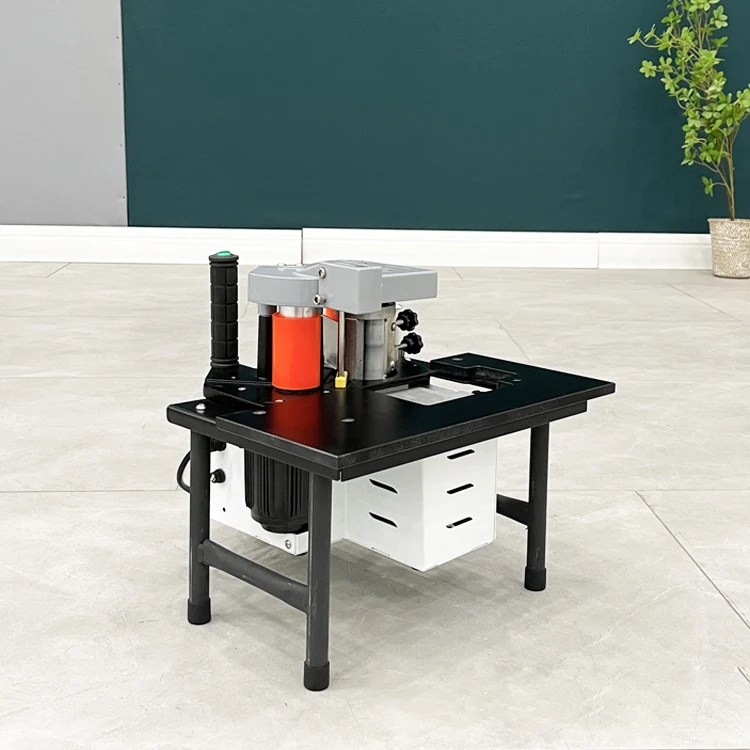
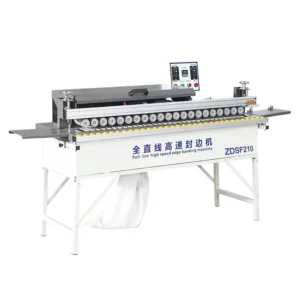
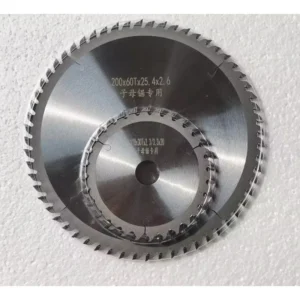
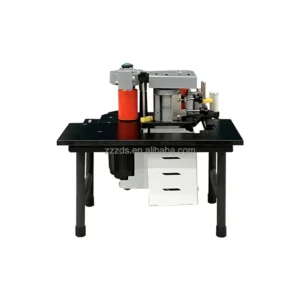
In-House Precision Manufacturing — proprietary cutting mechanisms and patented gluing assemblies built on our own factory floor, ensuring every portable edge banding machine OEM factory order traces back to verified, auditable production steps.
Technical Specifications
| Parameter |
Value |
| Product Type |
Portable Edge Banding Machine |
| Shape of Edge-banding Plates |
Curved, Straight and Special-shaped Sheet |
| Edge Thickness Range |
0.3–3 mm |
| Edge Sealing Speed |
0–6 m/min |
| Edge Sealing Height |
7–60 mm |
| Gluing Method |
Double-sided Gluing |
| Glue Pot Volume |
1000 ml |
| Machine Weight |
14 kg |
| Plug Options |
EU / AU / UK / USA / CN plug available |
| Voltage & Frequency |
To be confirmed per destination market (basis not stated in source) |
| Rated Power |
To be confirmed (basis not stated in source) |
| Control System |
To be confirmed (basis not stated in source) |
| Overall Dimensions (L×W×H) |
To be verified against machine dimensions (basis not stated in source) |
Application Suitability
| Application |
Material or Output |
| Small-scale cabinet and furniture workshops |
MDF, particleboard, and plywood panels with PVC edge banding |
| On-site joinery and interior fit-out |
Solid wood panels with veneer edge banding on curved profiles |
| Custom melamine carcass edging |
Melamine-faced boards with 0.3–3 mm PVC or ABS strips |
| Special-shaped panel finishing |
Contoured and arched panel edges in bespoke furniture production |
Why the Voltage Question Should Come Before the Price
Locking in electrical specifications before production prevents machines from arriving as dead weight on the workshop floor.
I spent years installing edge banders across Africa and South Asia, and one failure pattern repeats: a portable edge banding machine OEM factory ships without anyone confirming the buyer’s local frequency. The motor overheats, the glue pot never reaches temperature, and the distributor spends weeks troubleshooting what should have been a five-minute conversation [NEED_CITE: voltage and frequency standards by export market]. When a 50 Hz motor meets a 60 Hz grid, the consequences are not subtle — they show up as burnt windings within the first week of operation.

Manufacturing Depth That Distributors Can Verify
Every portable edge banding machine OEM factory order starts with component sourcing we control directly. The glue pot casting, the feed mechanism, and the pressure roller assembly are all machined within our own facility rather than sourced from third-party suppliers. This matters for distributors building a private-label SKU: when a customer calls for a replacement part two years later, the drawing exists in our own engineering files, not in a supplier catalog that may have changed. We run four-stage quality control — incoming material inspection, in-process dimensional checks, finished-product assembly verification, and pre-shipment functional testing — with a factory test record attached to every unit before it leaves the dock [NEED_CITE: CE machinery directive requirements for industrial equipment].
Private-Label Customization Beyond a Sticker
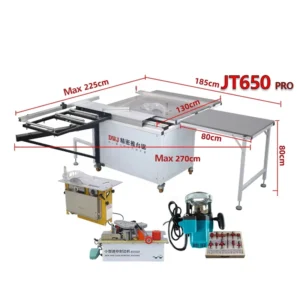
OEM partners typically need more than a logo swap. On this portable unit, customization extends to plug type selection across five regional standards, control panel language, and packaging format suited to retail or professional distribution channels. The 14 kg weight and compact footprint make this machine viable for shelf display in machinery showrooms or for inclusion in bundled starter kits alongside sliding table saws and boring machines. We confirm every electrical and branding specification in writing before production begins, which eliminates the most common dispute between manufacturers and overseas resellers — receiving inventory that does not match the market it was purchased for.
How 0.3–3 mm Edge Thickness and Double-Sided Gluing Affect Output Quality
The edge thickness range of 0.3–3 mm covers the three most common banding materials in panel furniture: thin PVC for melamine carcass work, mid-range ABS for visible cabinet edges, and veneer strips for solid wood finishing. Double-sided gluing applies adhesive to both the panel edge and the banding strip simultaneously, which addresses a frequent complaint in portable machines — uneven bond lines that peel after a few months of thermal cycling. The 1000 ml glue pot volume supports extended operation sessions without interruption, a practical advantage when a small workshop is edging an entire kitchen run in one day. Edge sealing height of 7–60 mm accommodates everything from thin shelving stock to thick worktops, while the curved and special-shaped capability means a single machine handles radius panels that would otherwise require manual trimming.
The Hidden Cost of Skipping Material Compatibility Checks
One distributor ordered a batch of entry-level portable units for a market where local particleboard carries high moisture content. The machines performed well on MDF samples at the factory, but on-site the wet substrate caused adhesive failure within days. Glue lines separated, edges lifted, and the distributor faced warranty claims that could have been avoided with a simple moisture reading before configuration [NEED_CITE: substrate moisture limits for hot-melt edge banding adhesives]. This is not a machine defect — it is a specification gap. Portable machines lack the pre-milling and hot-air stations of full-size automatic edge banders, so the bond depends entirely on substrate condition and glue temperature being matched correctly from the first panel.
Why Procure This Machine Directly from the Factory
In-house manufacturing means the portable edge banding machine OEM factory controls every machining tolerance on the glue roller and feed mechanism, not just final assembly. Voltage, plug type, and control language are confirmed per order rather than assumed from a stock list. Four-stage quality control with pre-shipment functional testing ensures each unit runs on actual panel stock before crating. OEM partners receive full private-label scope — logo placement, color, packaging, and documentation — backed by engineering files retained for future spare-part orders. Factory visits are open for distributors who want to inspect grinding stations, assembly benches, and test runs in person.
Documentation & Verification
- CE declaration of conformity covering portable woodworking machinery safety requirements
- ISO 9001 certificate for the manufacturing quality management system
- Factory test record run on buyer-specified panel thickness and edge material before dispatch
- Electrical schematic with confirmed voltage, frequency, and plug type per destination market
- Operation and maintenance manual translated into the buyer’s agreed language
- Spare parts list with part numbers matching the retained engineering drawings
Installation, Commissioning & Support
- Benchtop placement on a stable, level workbench with adequate clamping clearance for the 14 kg unit
- Dedicated power circuit matching the confirmed voltage and plug type to avoid shared-load voltage drops
- Glue pot temperature calibration on the actual edge banding material before first production run
- Operator training covering double-sided gluing adjustment for edge thicknesses from 0.3 to 3 mm
- Replacement glue pot and roller seals stocked for ongoing distributor spare-part fulfillment
- Scheduled cleaning of the glue pot and feed path to prevent adhesive carbon buildup
What We Need to Configure Your Order
To match this portable edge banding machine OEM factory build to your market, provide your target panel materials and typical edge banding type, the local voltage and frequency standard, and preferred plug type. If you carry other woodworking equipment lines, let us know how this unit fits alongside your existing catalog so we can align specifications and documentation format. For OEM and private-label projects, share your logo files, packaging requirements, and preferred order volume so we can issue a formal quotation with confirmed lead time.
Frequently Asked Questions
Q: What does OEM and private-label customization include for this portable machine?
A: Logo placement, machine color, retail or industrial packaging format, and documentation language are all configurable. We confirm minimum order quantity based on your SKU plan. Engineering drawings are retained so replacement parts remain available for the life of the product line.
Q: How do you confirm voltage and plug type before production starts?
A: We require written confirmation of your local voltage, frequency, and plug standard before the order enters production. The electrical schematic and a voltage confirmation document are included in the shipping documentation so your technical team can verify compliance on arrival.
Q: Which components are manufactured in-house versus externally sourced?
A: The glue pot casting, feed mechanism, pressure roller assembly, and frame are machined and ground in our own facility. Standard electrical components such as motors and switches are sourced from established suppliers and inspected during incoming material quality control before assembly.
Q: Can I visit the factory to run a sample test on my own panel stock?
A: Factory visits are welcome and can be scheduled around your travel plans. Bring or ship your panel samples and preferred edge banding material so we can run a live test and record the results in the pre-shipment documentation package.
Q: How do distributors secure ongoing spare-part supply?
A: Each order ships with a spare parts list linked to retained engineering drawings. Distributors can place repeat orders for consumables such as glue pot seals and rollers, and we maintain inventory specifically allocated for after-sales fulfillment across active product lines.